
Rev Steven Foster brings his assessment of many of the key concerns at play for Methodists
‘The people of Ireland have spoken’ has been heard so much in the South over the past ten days. It is such a deep cry here. It reflects a very long history on this island of suppression, persecution and disenfranchisement. It also reflects upon trends in society of more recent decades: The frustration by so many of the population that they can’t expect to own their home or are under pressure from the housing crisis more generally; The challenges resulting from underinvestment in some services, particularly health related; And the looking on at colossal tax breaks for multinationals or the mishandling of public finances such as the overspend on the National Children’s Hospital. And we have the burden of present day global events and of particular taxes.
The particular chaos in the Middle East since the end of February has caused the cost of what is commonly known as green diesel to almost double, adding very large costs to agricultural contractors and farmers, especially as they enter the busier time of the year out on the land. Hauliers and others are badly affected by increases too. While most members of the public have become more aware of these pressures during the protests this month, the issues and talk of protest have been brewing throughout March. Car drivers will be well aware of the increases at the pumps, but it is a lot less of a percentage increase compared to diesel for agriculture or forestry since road petrol and diesel are already very heavily taxed.
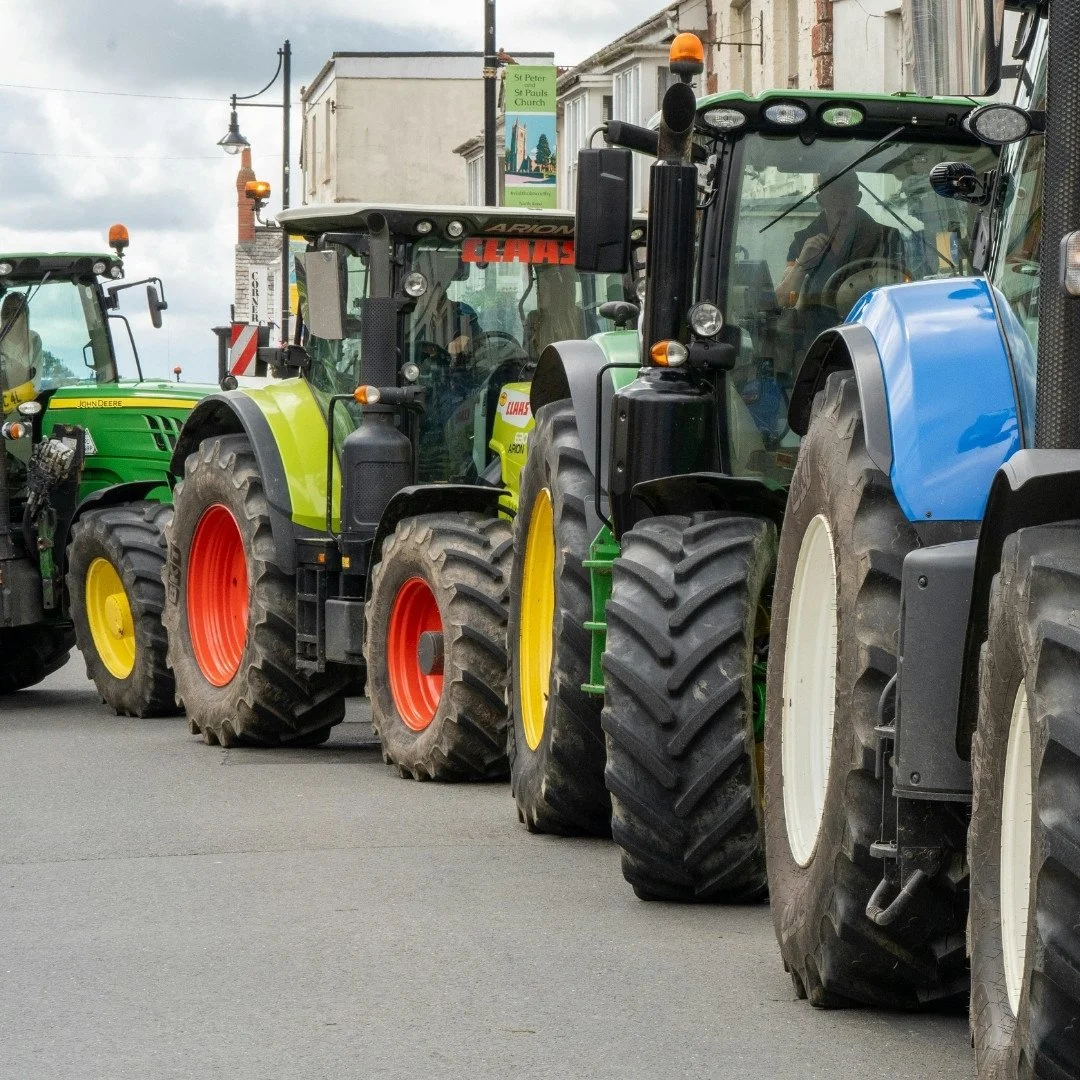
There is already relief from carbon tax for diesel used for agricultural purposes (marked green). Protesters have been calling for relief, with the government just announcing a reduction in excise duty and postponement of carbon tax increases. The protests and blockades of ports and roads using heavy machinery by farmers, farming contractors and road hauliers have pressured the government into this further action.
However, there is ongoing disquiet. And that may reflect on other ongoing challenges in farming in Ireland today. Our markets are changing all the time along with various economic pressures. The cost of production is under pressure from supermarkets and others and this is all in the context of a world that includes cheaper production.
There are other pressures. The rising costs will increasingly impact fertiliser prices. The other area that must be highlighted is the climate. Generally as global temperatures rise, Ireland has been experiencing more rainfall. The shift towards increasingly unpredictable patterns makes farming the land more challenging and heightens costs.
And these costs affect us all. The heavy costs that agricultural contractors have are for the most part passed on to the farmer for whom they are working. The farmer in turn has a livelihood to sustain and should expect to receive a fair price. A price that consumers would ultimately need to bear. There’s already a cost of living crisis. That will only worsen more deeply as prices rise in our shops. The wider public will feel the effects of this present crisis.
Farmers and agricultural contractors have highlighted to a wider public the particular pressures that they are under in their businesses and livelihoods. They have also caused many others to vocalise and become more animated about other underlying concerns and pressures that families and workers are under. In particular, the rising costs to home heating oil. Very many people have had to manage without adequate heating throughout the winter well before this present crisis. It is important to note that many people, very consistently and stretching the means that they have available to them, have been speaking up for those in fuel poverty as well as other areas of deprivation. They have been giving voice to those who are struggling the most with various degrees of effectiveness.
In our 2023 publication, ‘Facing into Poverty’, we pointed out that ‘Christ did not only come to preach good news to the poor, but he also was a poor man. He was a Jewish man living under Roman rule under a system of exploitation.’ We recognised how Christians, Methodists in particular, are to be Christlike in adopting an attitude of poverty. We are to get to know the poor while sharing resources and life with them, seeking to recognise Jesus there in the poor. But more than that, as we have often reflected on our own origins as Methodists, we desire systemic change that deals with injustice – social change that doesn’t allow for poverty to happen to start with. We long for justice today.
The ability to bring road travel to a potential standstill is something that those with large vehicles have. It should be recognised that others don’t. And that may get to the heart of something that some others are feeling. On the one hand these actions have given many an opportunity to feel that they have something to fall in behind, to feel heard. On the other, it’s a show of might that says that those with particular resources at their disposal win.
Alongside these concerns is another area that we have been expressing concern about over recent years. It has been very disappointing, although not totally surprising, that some of those who have emerged as spokespersons or who have been allowed to speak at rallies have expressed views that we find abhorrent.
It is wrong when calls for justice are turned into flag-waving, nationalistic campaigns that cause others to be fearful. We are absolutely clear that everyone deserves to be treated with the respect and dignity that comes from being made in the image of God. We have been consistently against all language and actions that cause anyone to feel that they are less than important. We recognise that many hope and expect to find refuge in Ireland, but too often experience racism, fear and marginalisation.
Any protest for justice for one group of people must not marginalise others.
We have been concerned about the confusion about leadership or spokespeople for the protests and blockades. The vacuum that is created allows those with very concerning agendas to come to the fore. Those agendas are emboldened by wider and global narratives where human life is devalued. We’re in a world that hates and bombs those who look or speak different and we must oppose such thinking in our own land.
Indeed it is that hate that has led to the wider context for fuel price rises. The leaders of the United States and Iran, along with others, have little regard for the value of human life. We grieve what has been happening in the Middle East, not primarily because we suffer from price rises here, but because hundreds of thousands of people have died and millions more suffer oppressive injustice. With current pressures on us here so linked to the actions of one compassionless and irrational man, why would we tolerate Trumpian behaviour on our own streets?
The protests particularly engaged with younger farmers and happened at a time when the schools were off for Easter. Our teenage boys and young men are listening closely to those they view as role models online that other generations are rarely aware of. Many of these influencers are expressing troubling misogynistic views. They are also building on the hate and marginalisation so prevalent in present day international affairs and in terms of the devaluing of human life. Adults in society most take responsibility for their actions and words. We need to be clear about the people that we set up as spokespersons.
During these tense times, we also call on all to respect our politicians and An Garda Síochána. We will strongly express our opinions and frustration, but people must be allowed to do their jobs. The government calling in the army felt to many that they were not listening first and there are incidents where Garda actions need to be looked at. However, personal targeting of politicians and Gardaí and their families is thoroughly unacceptable.
Of course, these protests could potentially be described as a movement rather than organisational. People took action because they didn’t feel that they were being listened to or taken seriously through the normal channels or bodies. The government was slow to recognise what was going on in this groundswell of concern and maybe hoped it would disappear, which it didn’t. However, there’s more to what happened than just a leaderless movement. Anger, disquiet or a passion for action and change aren’t enough in themselves to cause what has been happening.
The main promotional infrastructure of the blockades and protests came through various Facebook (Meta) pages and posts that used community pages and encouraged the sharing of information, particularly the relevant pictures onto WhatsApp and other means. Facebook pages could be shut down, but they can get the material out there first. And the initial adverts are paid adverts. Who is paying for these? We simply don’t know. Meta is actively circumventing EU rules and preventing us from seeing who is paying for these ads.
We must be alert that this is happening. It doesn’t mean that the presenting issues aren’t real, but it does mean that there are anonymous players, whether from home or abroad, with their own hidden agendas.
And that leads us to a phrase that we must finish in critiquing. ‘The people of Ireland are saying this...’ Many times online, on radio interviews and at rallies we have heard it said that the people of Ireland are saying this or that. By itself, that is not merely an ambitious claim – it’s outrageous. Who can say that they speak for Ireland?!
However, movements must be examined for what they are and taken seriously. Whatever inconvenience we may have experienced on our road journeys or plans that we had to readjust and even in whatever disgust we feel by some language we’ve heard and actions and trends observed, we must listen to the cry of many people. Who is hurting? Who is feeling unheard? Who is marginalised? Who is suffering? What is need and what is greed? What are we being warned about now?
In all things we must listen well, react with patience and respond with compassion, wisdom and practicality.
Reverend Steven Foster is the Southern Chairperson of the Council on Social Responsibility of the Methodist Church in Ireland. Steven is also Chaplain to Gurteen College (Agriculture, Environmental Sustainability, Equine), Co. Tipperary.
Documents referred to are publications of the Council on Social Responsibility of the Methodist Church in Ireland and can be found here… irishmethodist.org/csr-archive